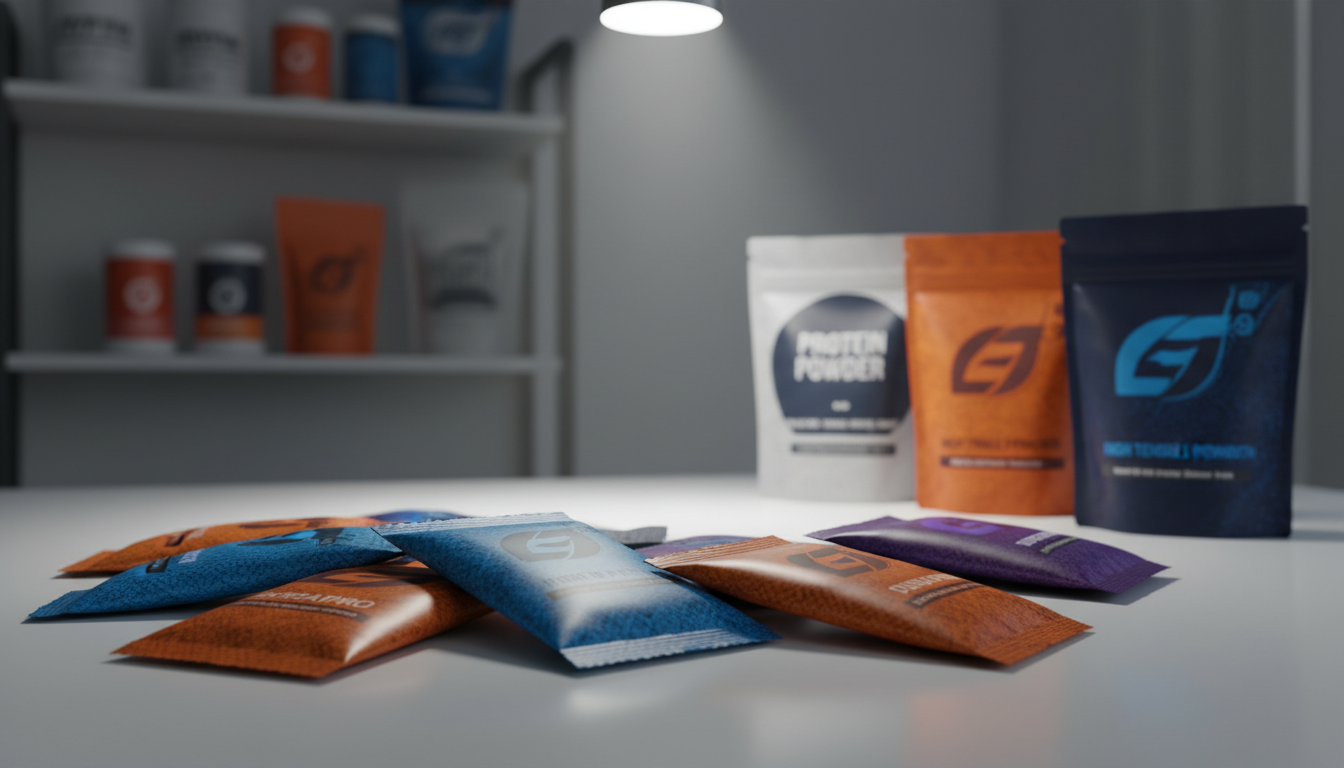
Have you ever wondered what keeps your protein powder fresh, intact, and protected from the moment it’s packaged to the instant you open it? The secret lies in the critical world of Wintech Package protein powder packing and its essential mechanical property: tensile strength.
When you’re selecting supplement packaging solutions, understanding tensile strength becomes paramount. Protein powder packing isn’t just about containment—it’s about comprehensive protection. Wintech Package recognizes that whey protein packaging demands precision engineering to prevent moisture, oxygen, and environmental contaminants from compromising your product’s quality.
Tensile strength represents the maximum stress a packaging material can withstand before breaking. For protein powder packing, this means creating a barrier that maintains product integrity through manufacturing, shipping, and storage. Your protein powder’s safety depends on packaging that can resist punctures, tears, and seal failures.
Key Takeaways
- Tensile strength is crucial for protein powder packaging durability
- Proper packaging prevents product contamination and degradation
- Wintech Package specializes in advanced supplement packaging solutions
- Mechanical properties directly impact product quality and shelf life
- Comprehensive protection requires sophisticated packaging engineering
Understanding Protein Powder Packing Materials
When selecting the right protein powder packing solution, you’ll need to understand the critical materials that protect your product’s quality and integrity. Protein powder packing involves sophisticated material science that ensures your nutritional supplements remain fresh, potent, and safe for consumption.
Protein powder bags are manufactured using various advanced materials, each with unique characteristics designed to meet specific packaging requirements. Your choice of material can significantly impact product preservation and consumer experience.
Exploring Material Options
In protein tub manufacturing, manufacturers typically utilize several primary materials:
- Polyethylene Terephthalate (PET): Offers excellent moisture and oxygen barrier properties
- Linear Low-Density Polyethylene (LLDPE): Provides superior heat-sealing capabilities
- Nylon: Delivers exceptional tensile strength for bulk protein container applications
- Aluminum Foil: Creates robust light and moisture barriers
Critical Material Properties
When evaluating protein powder packing materials, you should consider key performance characteristics:
- Tensile Strength: Ability to withstand mechanical stress
- Barrier Protection: Preventing moisture and oxygen infiltration
- Seal Integrity: Ensuring package remains securely closed
- Puncture Resistance: Protecting contents from external damage
The right packaging material is not just about containment—it’s about preserving nutritional value and consumer trust.
Wintech Package understands that selecting optimal protein powder packing requires comprehensive material analysis. By carefully evaluating these critical properties, we develop packaging solutions that maintain product quality from manufacturing to consumption.
The Role of Tensile Strength in Protein Powder Packing
Understanding the critical importance of tensile strength can make or break your protein powder packing strategy. Wintech Package recognizes that the structural integrity of packaging directly impacts product quality, safety, and customer satisfaction.
Why Tensile Strength Matters for Protein Powder Packing
Tensile strength determines the durability of your vacuum sealed protein powder packaging. Weak packaging can lead to disastrous consequences, including:
- Product contamination during transportation
- Potential spillage and material loss
- Compromised product freshness
- Reduced shelf life
Your eco-friendly protein packaging must withstand multiple stress factors. Protein powder packing experiences significant mechanical challenges, from manufacturing to consumer handling.
“Packaging strength is not just about containment—it’s about preserving product integrity.” – Packaging Engineering Expert
Testing Tensile Strength in Protein Powder Packing
Professional protein powder packing requires rigorous testing methodologies. Specialized equipment like universal testing machines evaluate packaging materials under controlled conditions.
Key testing parameters for protein powder packing include:
- Load capacity measurement
- Elongation at break assessment
- Material deformation analysis
- Stress-strain evaluation
Wintech Package employs advanced techniques to ensure your packaging meets the highest industry standards for vacuum sealed protein powder protection.
Selecting the right packaging material is crucial for maintaining product quality and consumer trust.
Choosing the Right Protein Powder Packing Solution
Selecting the optimal protein powder packing solution requires careful consideration of multiple factors. Your packaging choices directly impact product quality, brand perception, and customer satisfaction. Wintech Package understands the critical nuances of protein powder packing that can make or break your supplement product.
Critical Factors in Protein Powder Packing
When evaluating protein powder packing options, you need to assess several key elements:
- Barrier protection against moisture and oxygen
- Resealable features for product freshness
- Custom protein labels for brand identity
- Compatibility with protein packaging equipment
Different protein types demand specific packing strategies. Whey isolate might require different protection compared to plant-based proteins. Your protein powder packing must balance technical performance with aesthetic appeal.
Wintech Package’s Strategic Approach
Wintech Package offers comprehensive solutions for protein powder packing challenges. Our expert team helps you navigate complex packaging requirements by:
- Conducting thorough product compatibility tests
- Recommending materials with optimal tensile strength
- Developing custom packaging prototypes
- Ensuring seamless integration with your production line
We recognize that protein powder packing is more than just containment—it’s about preserving product integrity, communicating brand values, and creating an exceptional customer experience.
Ensuring Quality in Protein Powder Packing
Your protein powder’s journey from production to consumer relies on robust quality control in protein powder packing. Wintech Package understands that maintaining high standards requires comprehensive testing and monitoring protocols. By implementing rigorous inspection methods, manufacturers can protect the nutritional integrity and sensory characteristics of supplement packaging solutions.
Quality Control Measures for Protein Powder Packing
Quality control in protein powder packing starts with meticulous material verification. You’ll want to examine tensile strength, barrier properties, and dimensional accuracy before production begins. Wintech Package uses advanced testing techniques like seal strength evaluations, leak detection systems, and visual inspections to ensure every package meets strict performance standards.
Environmental factors significantly impact protein powder packing performance. Temperature, humidity, and handling conditions can compromise packaging integrity. By simulating real-world scenarios through drop testing and accelerated aging studies, manufacturers can predict and prevent potential packaging failures before products reach consumers.
The Future of Protein Powder Packing Trends
Eco-friendly protein packaging is transforming the supplement industry. Innovative materials like bio-based polymers and recyclable mono-material structures are emerging as sustainable alternatives. You’ll see intelligent packaging technologies with freshness indicators and advanced barrier coatings that maintain product quality while reducing environmental impact.
Wintech Package remains committed to driving protein powder packing innovation. By continuously exploring cutting-edge supplement packaging solutions, we help brands deliver high-quality products that meet evolving consumer expectations for performance and sustainability.